Physikalisches Institut of University of Bonn
The Physikalisches Institut was built from 1911 to 1913. Heinrich Kayser, Heinrich Konen, Christian Füchtbauer and Wolfgang Paul, among others, taught here. The Physics Institute conducts research in a wide variety of fields and is also a center for teaching. Students are taught the basics of physics and can expand and deepen their knowledge in further courses of study.
19 April 2024, Bonn Wolfgang-Paul Lecture Hall, 13.15 - 16.30 h
"Women* in Physics Bonn" is a community of women* that meet monthly to share their experiences and foster connections among women* in physics. Their goal is to network in a relaxed and friendly environment over coffee and cake, and to engage in work-related discussions with the other participants - from Master's students up to postdocs.
About us
An international team of scientists and students is involved in research and teaching at the Physikalisches Institut. Technical and administrative staff create the conditions for successful operation in all areas of work.
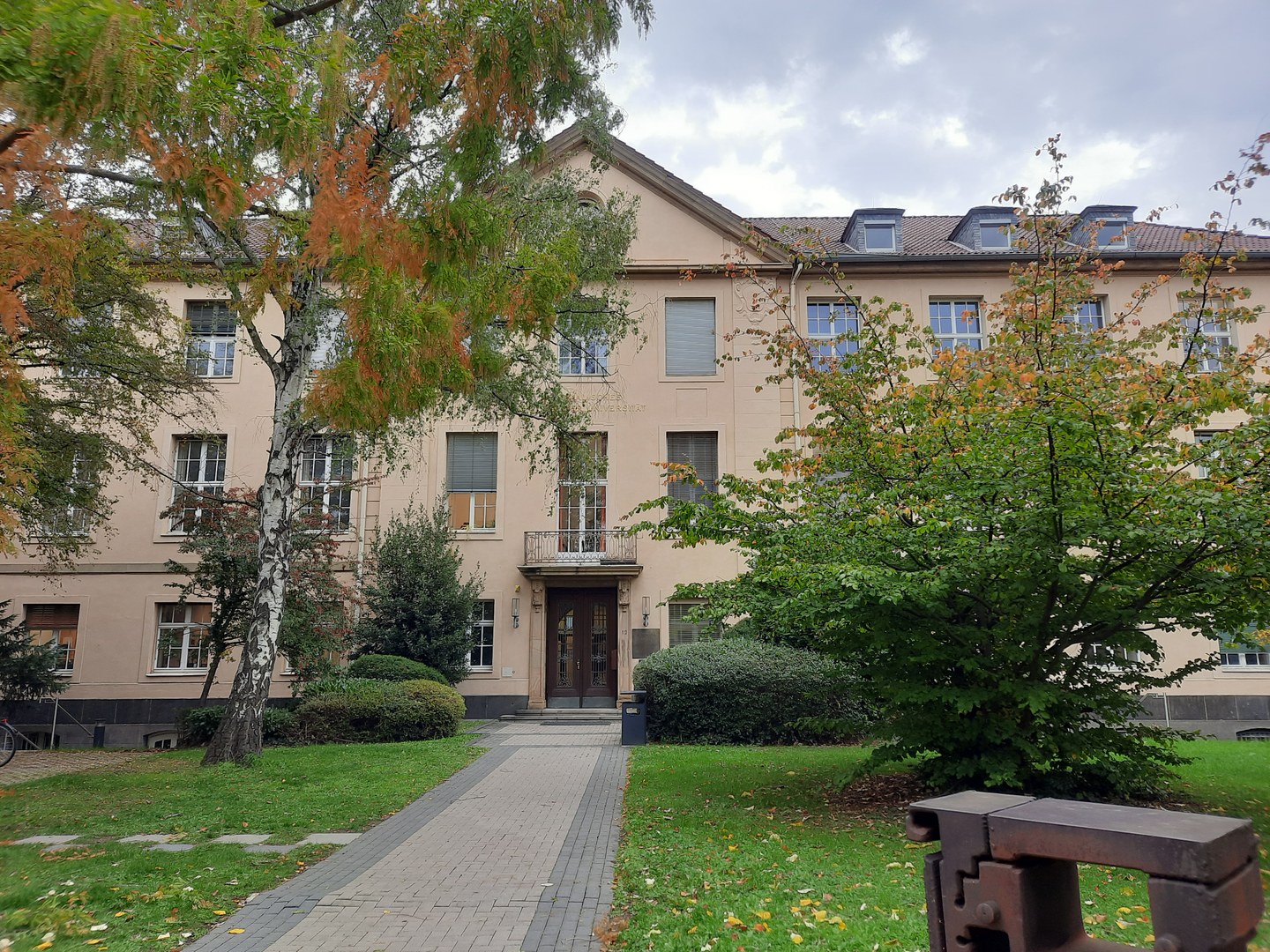
Institute
Click on the link below to get an overview of the
facilities of the institute. On the page you will also find the contact persons for different
areas as well as further information.

Members
More than 250 people work together at the Physikalisches Institut. Find out who we are!

Policies for Protection Against Sexualized Discrimination and Violence
Sexualized discrimination and violence are not tolerated at the Physikalisches Institut. A respectful and trusting as well as non-discriminatory cooperation of all members, relatives and guests is a matter of course for the University of Bonn.
Research
At the Physics Institute, research is conducted in a wide variety of fields. Various research facilities are available for this purpose, including the university's own ELSA accelerator facility. The broad-based research entails a large number of offers for students.
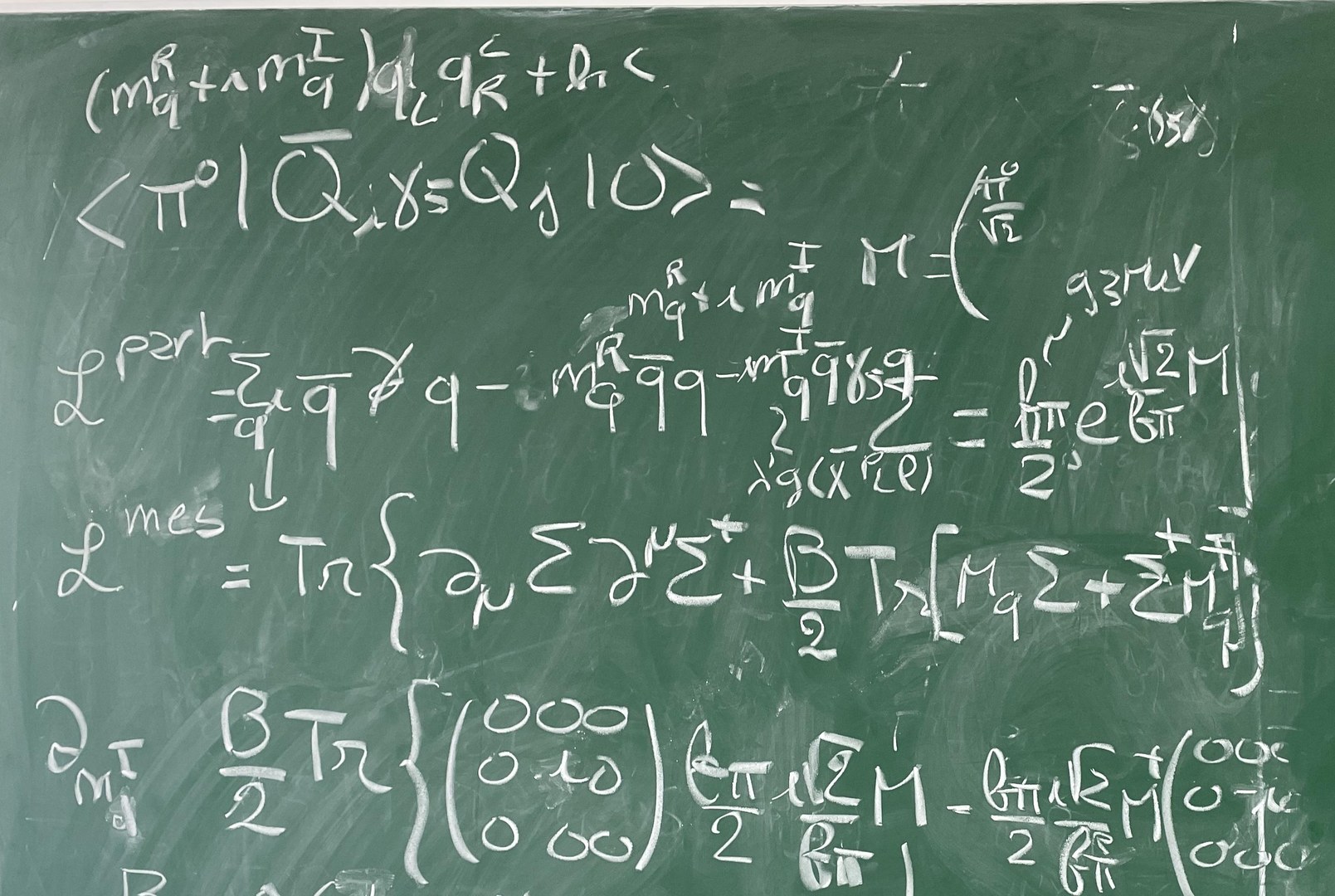
Research Focus
At the Physics Institute, research is conducted in the main areas of particle physics, condensed matter and photonics, and accelerator physics
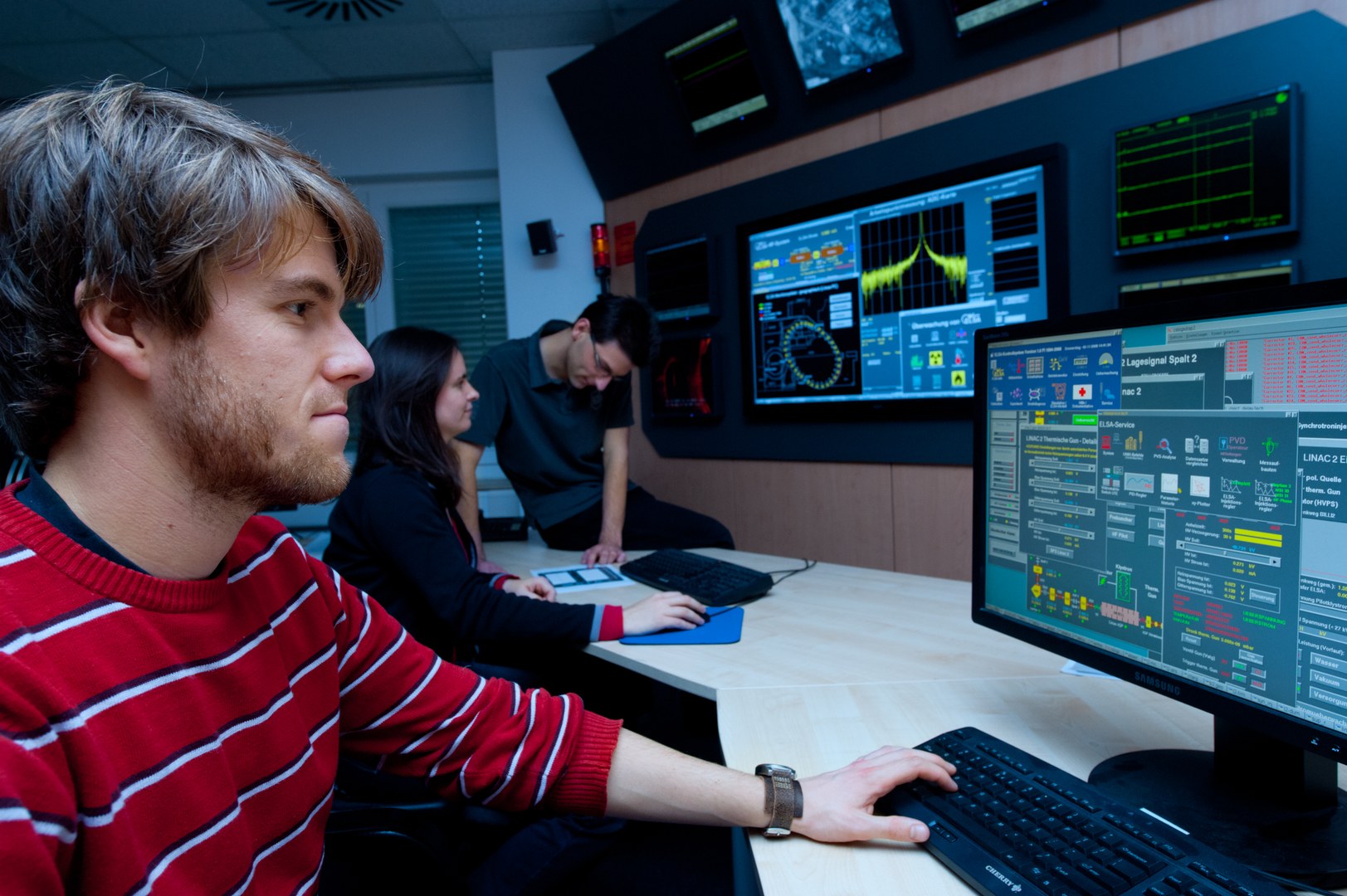
Research Groups
The Physics Institute has many different research groups working in the various focus areas.
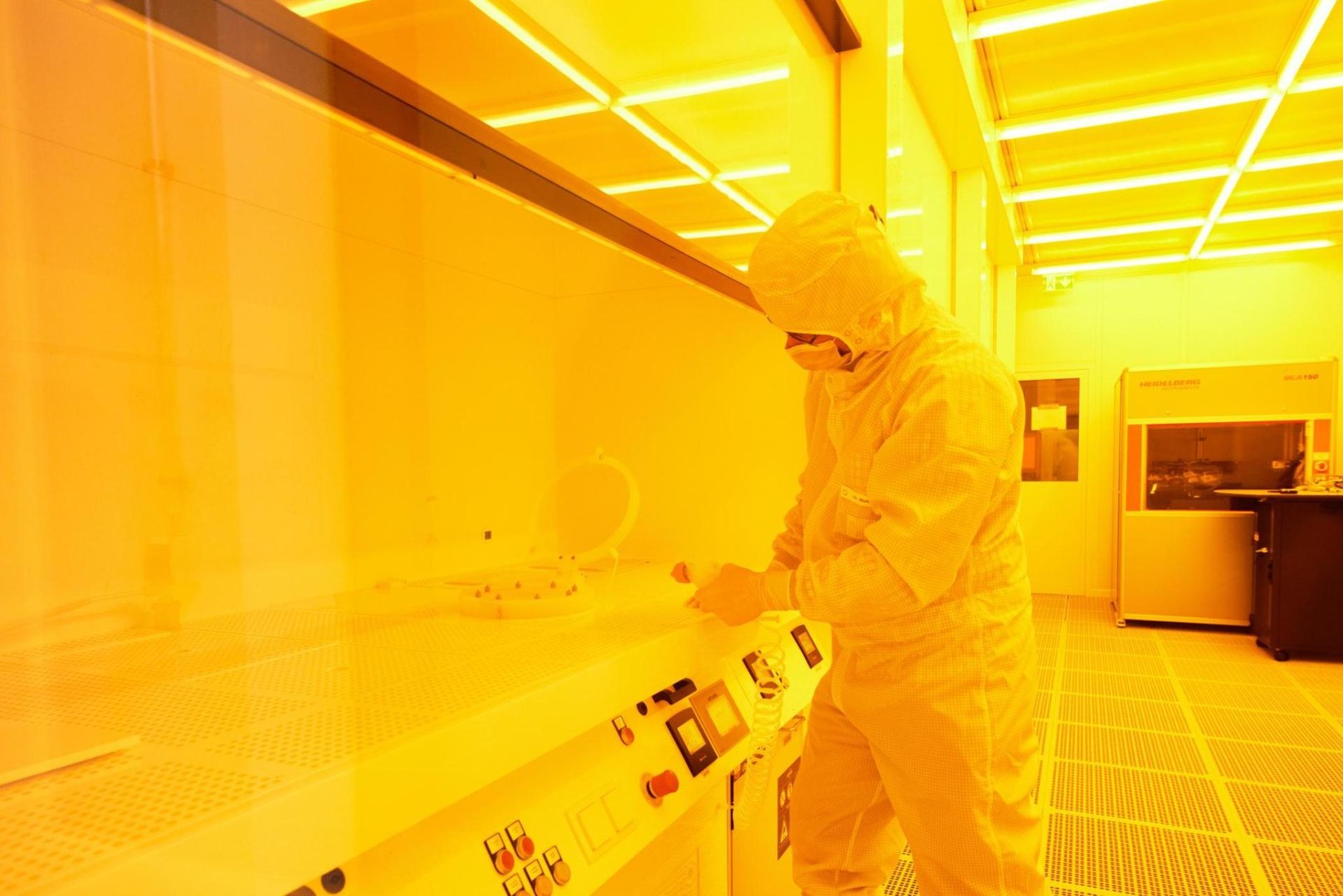
Research Facilities
The Physics Institute houses a variety of facilities from a wide range of research areas.
The Department of Physics and Astronomy
The Department of Physics and Astronomy consists of the Physikalisches Institut, the Helmholtz Institute for Radiation and Nuclear Physics, the Institute for Applied Physics and the Argelander Institute for Astronomy. The physicists of these four institutions jointly design and conduct a broad program of offerings for students, researchers, as well as for young people and the general public.

About studying physics
In the various courses of study, the fundamentals of experimental and theoretical physics are taught and comprehensively deepened.
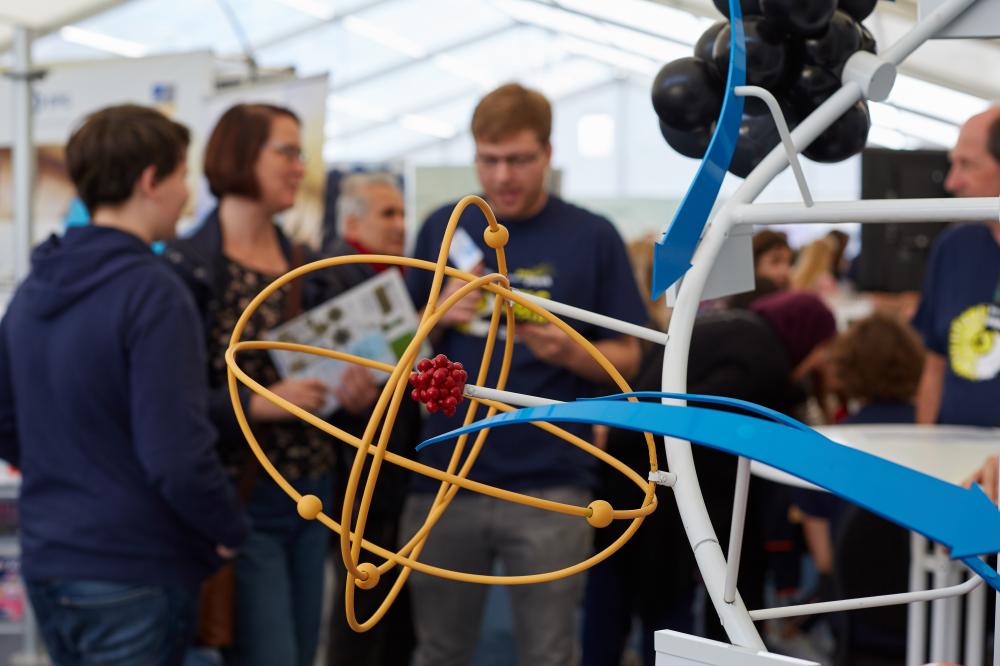
Outreach activities
Various events in the field of public relations offer a broad audience an insight into the world of physics.
Wolfgang-Paul-Lecture
Wolfgang Paul was professor of physics at Physikalisches Institut of University of Bonn from 1952 to 1993. In remembrance of Wolfgang Paul highly distinguished physicists are regularly invited to give the Wolfgang Paul Lecture at the institute. This lecture series is made possible by the Wolfgang Paul foundation which was generously supported by himself with half of his Nobel Prize money.

Prof. Dr. Jochen Dingfelder
2.012
Nußallee 12
53115 Bonn
Office

Jacqueline Weigelt
+49 228 73 7869
1.040
Nußallee 12
53115 Bonn